7 Must-know Facts About Helicopters
7 Must-know Facts About Helicopters

7 Must-know Facts About Helicopters
From their unique flying capabilities to their critical role in connecting remote locations, helicopters are one of the most fascinating aircraft in modern aviation. If you've ever been curious about how they operate or what makes them different from airplanes, you're in the right place. These facts about helicopters will help you see them in a whole new light.
1. What Makes Helicopters Different from Airplanes
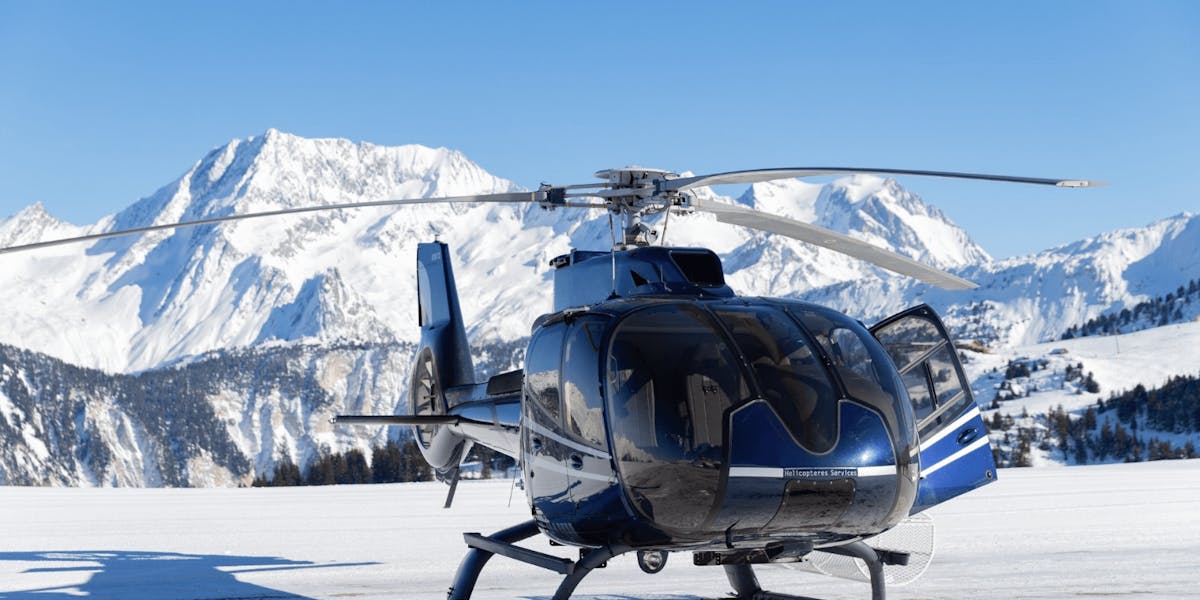
While airplanes need a runway to take off and land, helicopters can lift straight into the sky from almost any solid surface, even if it's unprepared. This vertical takeoff and landing ability is one of the most important facts about helicopters. Their design allows them to hover, fly backward, or even sideways - something an aeroplane simply can’t do.
Another key difference lies in versatility. Helicopters are commonly used in situations where access is limited, such as mountainous terrain, small islands, or busy urban centers.
2. How Do They Actually Fly?
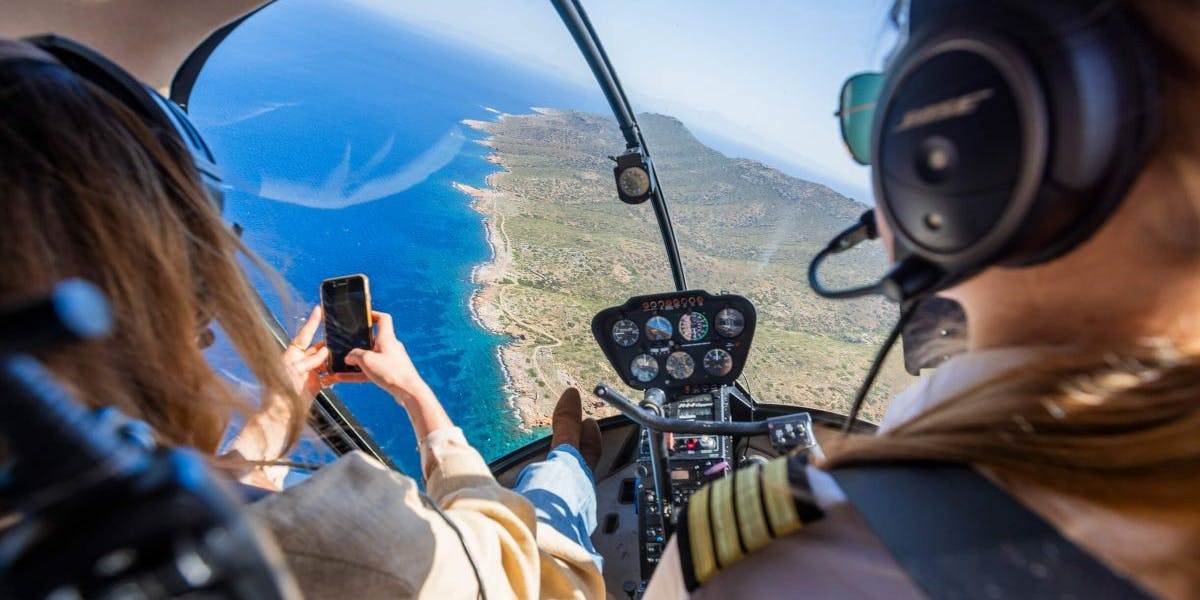
The main rotor is the heart of the helicopter, generating lift by spinning at high speeds. A tail rotor, or less commonly other anti-torque systems, counters the resulting torque and allows for directional control. One of the most intriguing facts about helicopters is how they achieve precise control in the air. The pilot adjusts the angle of the rotor blades using the cyclic and collective controls, guiding the aircraft with incredible accuracy.
Many modern helicopters also feature autopilot systems, which assist pilots with flight stability and navigation.

3. Are Helicopters Safe?
Many people wonder about safety, especially when it comes to smaller aircraft. In reality, one of the surprising facts about helicopters is that they are designed with multiple redundancies and rigorous maintenance protocols.
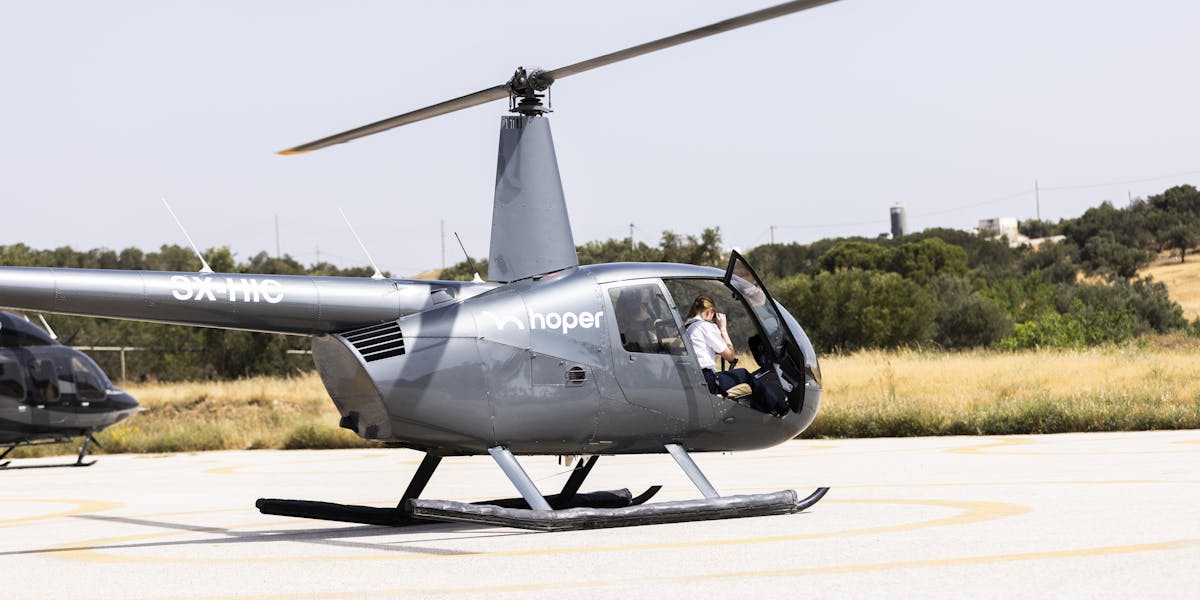
At hoper, every flight is operated by certified air carriers under the approval of the Hellenic Civil Aviation Authority. Each helicopter is maintained to the highest standards, and pilots undergo constant training, checks, and route briefings. Flights are conducted only under strict visual flight rules (VFR) to helipads that can accommodate the requirements of the intended operation.
So yes - helicopters are safe, especially when every step, from pre-flight to landing, follows a zero-compromise safety-first philosophy.
4. A Brief Look at Their Origins
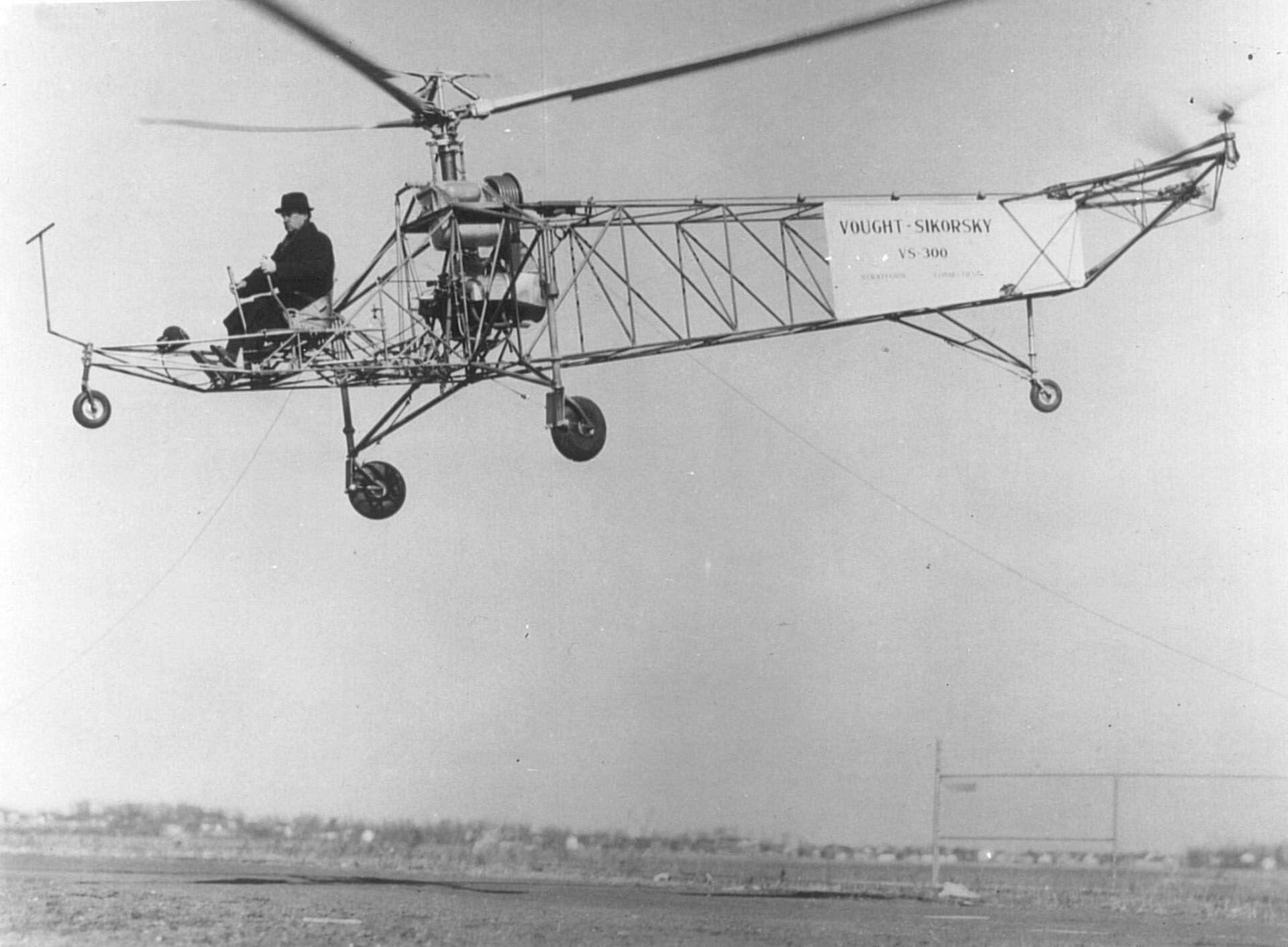
Another one of the key facts about helicopters is their rich history. Leonardo da Vinci sketched an early version of a vertical flying machine as far back as the 15th century. However, the first practical helicopters were developed in the 20th century, with Igor Sikorsky widely recognized for building the first successful model in 1939.
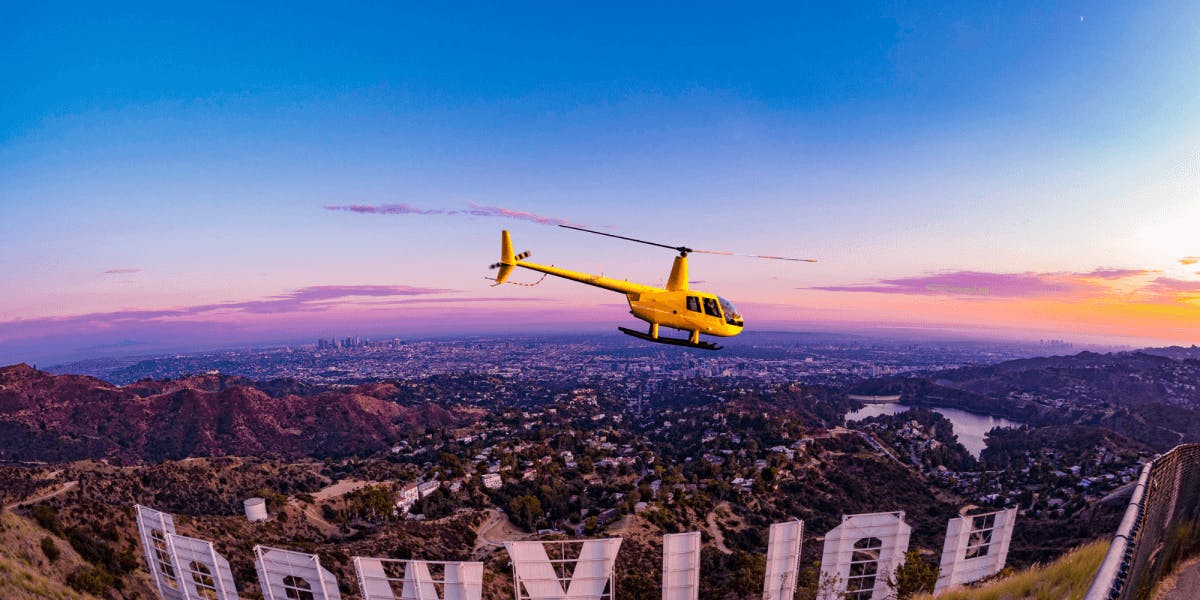
Today, helicopters are used in everything from emergency medical transport to VIP transfers, aerial filming, tourism, and military operations.
5. How High Can Helicopters Fly?
One of the common questions people ask when learning facts about helicopters is how high they can actually fly. Most commercial helicopters have an operating ceiling of approximately 10,000 to 15,000 feet above sea level, depending on their engine type and weight. However, the world record for the highest helicopter flight is over 40,000 feet, achieved by a specially equipped Aérospatiale SA 315B Lama.
That said, most passenger flights - including those offered by hoper - maintain lower altitudes to ensure optimal comfort, safety, and scenic views. In reality, our flights are operating between 1,000ft-3,000ft. It’s important to note that flights above 10,000ft are operated in a pressurized cabin (such as in most commercial airplanes) to allow for oxygen flow for passengers.
6. Helicopters and Emergency Response
One of the most impactful facts about helicopters is their crucial role in emergency services. Thanks to their ability to land in tight spaces and fly low and slow, helicopters are often the first responders in medical evacuations, natural disasters, and search-and-rescue operations. Air ambulances can drastically reduce response times, especially in harder-to-reach areas like remote islands or mountainous terrain. In Greece, this capability is vital - not just for emergencies but also for ensuring accessibility across a country defined by its geography.
7. The Rise of Helipads and Urban Connectivity
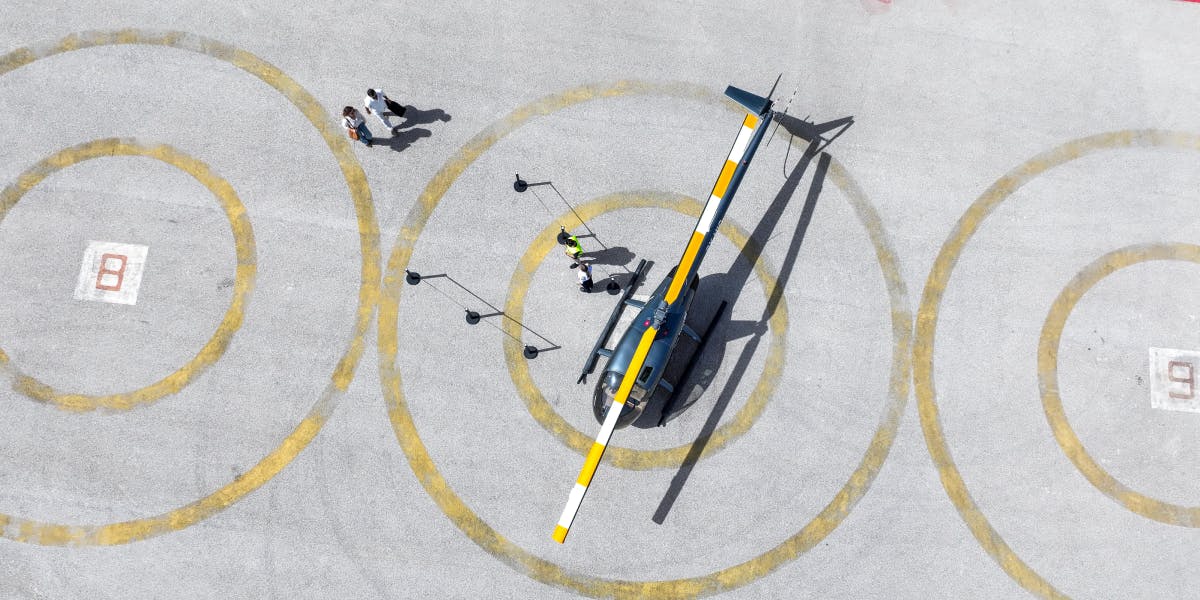
As cities grow denser, the demand for point-to-point air mobility has increased. That’s why one of the modern facts about helicopters worth knowing is their vital role in urban air mobility infrastructure. Helipads are now a common feature in hospitals, luxury hotels, remote islands, and even some business districts.
In Greece, for example, hoper upgrading this network by working with the local authorities in order to connect travelers between Athens and islands like Folegandros, Antiparos, or Patmos - destinations that are otherwise time-consuming to reach.

Whether you're flying for business, adventure, or convenience, understanding these facts about helicopters will help you appreciate just how powerful and versatile they really are.